Buying a home is one of the biggest investments a person can make in their lifetime, and it often involves signing a tenancy agreement if you plan to rent it out. It's important to ensure that the home you are purchasing is in good condition and worth the price you are paying. This is where a Buying a home is one of the biggest investments a person can make in their lifetime, and it often involves signing a tenancy agreement if you plan to rent it out. It's important to ensure that the home you are purchasing is in good condition and worth the price you are paying. This is where a home inspection comes in. A home inspection is a thorough examination of a property's condition, typically performed by a certified professional. Buying a home is one of the biggest investments a person can make in their lifetime, and it often involves signing a tenancy agreement if you plan to rent it out. It's important to ensure that the home you are purchasing is in good condition and worth the price you are paying. This is where a home inspection comes in. A home inspection is a thorough examination of a property's condition, typically performed by a certified professional.
It can reveal potential issues with the property that may not be visible to the untrained eye, giving buyers peace of mind and potentially saving them from costly repairs down the line. But how do you determine the value of a home inspection? In this article, we will dive into the importance of home inspections and discuss the cost and value they bring to the table. Whether you are a first-time homebuyer or a seasoned investor, understanding the significance of a home inspection is crucial in making an informed decision. So let's get started and explore the world of home inspections together. Welcome to our guide on determining the value of a home inspection.
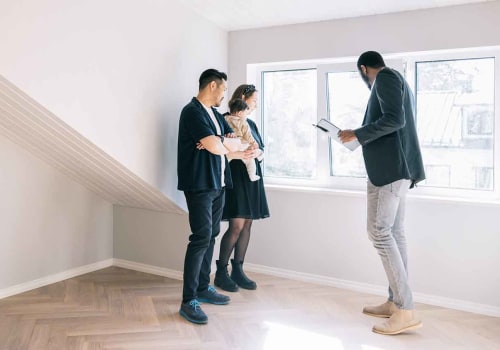
Whether you're a homeowner looking to sell your property or a potential buyer in the market for a new home, understanding the process and benefits of a home inspection is crucial. In this article, we will cover everything you need to know about home inspections, from their importance to the costs involved and even how you can become a home inspector yourself. Let's start by discussing why home inspections are important. As a potential buyer, you want to ensure that the property you're interested in is in good condition and free of any major issues that could end up costing you thousands of dollars in repairs. On the other hand, as a seller, you want to make sure your property is in top shape to attract potential buyers and get the best price for it.
A professional home inspection can provide peace of mind for both parties by identifying any potential problems with the property. Home inspections cover a thorough examination of the property's structure, systems, and components, including the roof, foundation, electrical, plumbing, and heating and cooling systems. The inspector will also check for any safety hazards, such as mold, asbestos, or lead paint. By identifying these issues early on, buyers can negotiate with sellers for repairs or credits, while sellers can address any issues before putting their property on the market. Aside from identifying any potential problems, home inspections also provide an opportunity for buyers to learn more about the property they are interested in. The inspector can give valuable insights into the overall condition of the property and provide tips on how to maintain it properly. Now let's talk about the costs involved in a home inspection.
The average cost for a professional home inspection ranges from $300 to $500, depending on the size and location of the property. While this may seem like an additional expense, it is a small price to pay for the peace of mind and potential savings it can provide in the long run. Keep in mind that the cost of repairs for major issues can far exceed the cost of a home inspection. Finally, if you're interested in becoming a home inspector yourself, there are several steps you need to take. These include completing a training program, gaining practical experience, and obtaining a license or certification. The average cost for a professional home inspection ranges from $300 to $500, depending on the size and location of the property. While this may seem like an additional expense, it is a small price to pay for the peace of mind and potential savings it can provide in the long run. Keep in mind that the cost of repairs for major issues can far exceed the cost of a home inspection. Finally, if you're interested in becoming a home inspector yourself, there are several steps you need to take. These include completing a training program, gaining practical experience, and obtaining a license or certification.
This can be a lucrative career path for those with a keen eye for detail and a passion for helping others make informed decisions about their homes. In conclusion, a professional home inspection is an essential part of the buying and selling process. It provides peace of mind, identifies potential issues, and gives valuable insights into the property. Don't overlook the importance of a home inspection and consider becoming a home inspector yourself to help others make informed decisions about their homes.
1.Choosing a Qualified Home Inspector
The first step is finding a qualified home inspector who has the necessary experience and certifications. Look for someone who is licensed and belongs to a reputable organization, such as the International Association of Certified Home Inspectors (InterNACHI).4.Receiving the Report
After the inspection is completed, the home inspector will provide a detailed report outlining their findings.This report will include any areas of concern and recommendations for repairs or further inspections.
2.Scheduling the Inspection
Once you have chosen a home inspector, you will need to schedule an inspection at a convenient time for both parties. It's important to be present during the inspection so that you can ask questions and address any concerns you may have.3.Conducting the Inspection
During the inspection, the home inspector will thoroughly examine the property, looking for any issues with the structure, systems, and appliances. They will also check for any safety hazards and code violations.The Process of a Home Inspection
When it comes to home inspections, there are several steps involved. These include: 1.Initial Consultation The first step in the home inspection process is the initial consultation.This is where the inspector meets with the homeowner or potential buyer to discuss the details of the inspection and answer any questions they may have. It is also an opportunity for the inspector to gather information about the property, such as its age, size, and any known issues.
2.Exterior Inspection
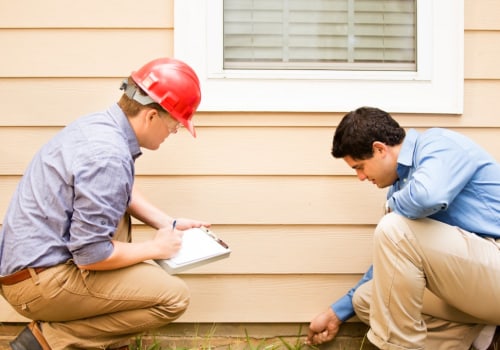
The next step is to inspect the exterior of the home. This includes checking the roof, siding, foundation, and any other visible structures for signs of damage or wear.The inspector will also look for potential safety hazards, such as loose wires or uneven walkways.
3.Interior Inspection
The interior inspection involves examining every room in the house, including the attic and basement. The inspector will check for any structural issues, as well as signs of water damage, mold, or pests. They will also test all appliances and systems, such as plumbing and electrical, to ensure they are in working order.4.Report and Recommendations After completing the inspection, the inspector will provide a detailed report outlining their findings and recommendations. This can include necessary repairs, maintenance suggestions, and potential safety concerns. It is important for both the homeowner and potential buyer to thoroughly review this report.
5.Follow-Up
In some cases, the inspector may recommend a follow-up inspection to ensure that any repairs or maintenance have been completed correctly.This can provide peace of mind for both parties involved in the home buying/selling process. As you can see, a home inspection is an essential step in the buying or selling process. It can provide valuable information about the condition of a property and potentially save you from costly surprises down the line. Additionally, if you're interested in becoming a home inspector yourself, there are various training programs and certifications available to help you get started.