Are you considering buying a new home in the real estate market? One of the most important steps in the home buying process is getting a home inspection. But, what exactly is a home inspection and how much does it cost? These are common questions that homeowners and potential buyers often have. In this article, we will dive into the importance of home inspections and break down the cost and value associated with them. By understanding the cost of a home inspection, you can make informed decisions when it comes to your home purchase. Are you considering buying a new home in the real estate market? One of the most important steps in the home buying process is getting a home inspection. But, what exactly is a home inspection and how much does it cost? These are common questions that homeowners and potential buyers often have. In this article, we will dive into the importance of home inspections and break down the cost and value associated with them. By understanding the cost of a home inspection, you can make informed decisions when it comes to your home purchase.
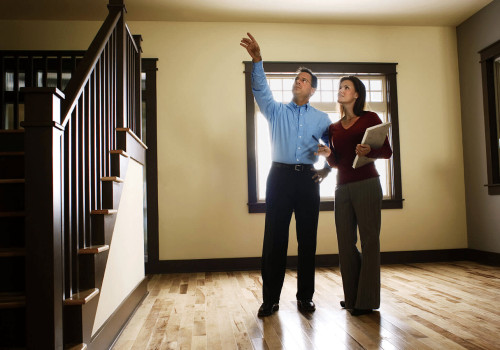
So, let's get started and learn everything you need to know about home inspection costs. First, let's start with the basics. A home inspection is a thorough examination of a property's condition, typically done by a professional inspector. This process includes a visual inspection of the structure, systems, and components of the home, such as the foundation, roof, plumbing, electrical, and HVAC systems. The cost of a home inspection can vary depending on factors such as the size and age of the property, location, and additional services requested.
On average, a home inspection can cost anywhere from $300 to $500. However, this is a small price to pay for the potential issues that can be uncovered during the inspection process. If you are considering buying or selling a property, it is crucial to understand the cost of a home inspection. Not only can this inspection help you identify any potential issues with the property, but it can also provide peace of mind knowing that you are making a sound investment. Home inspections are an essential part of the home buying and selling process. They can reveal underlying issues that may not be visible to the untrained eye.
By investing in a home inspection, you can potentially save yourself from costly repairs or even prevent a bad investment. As mentioned earlier, the cost of a home inspection can vary depending on several factors. The size and age of the property are significant considerations as larger and older homes may require more time and effort to inspect thoroughly. Location is also a factor as some areas may have higher costs for home inspections due to higher demand or specific regulations. In addition to the standard inspection, there are also additional services that can be requested at an extra cost. These may include radon testing, mold testing, and termite inspections.
It is essential to discuss these options with your inspector and determine which services are necessary for your specific property. While the cost of a home inspection may seem like an added expense, it is a valuable investment in the long run. Not only can it help you avoid potential financial pitfalls, but it can also give you peace of mind and confidence in your decision to buy or sell a property. In conclusion, understanding the cost of a home inspection is crucial for anyone considering buying or selling a property. It is a small price to pay for the potential issues that can be uncovered during the inspection process. Make sure to do your research and choose a reputable inspector who can provide a thorough and detailed report.
With a proper home inspection, you can make an informed decision and ensure that your investment is a sound one.
Benefits of a Home Inspection
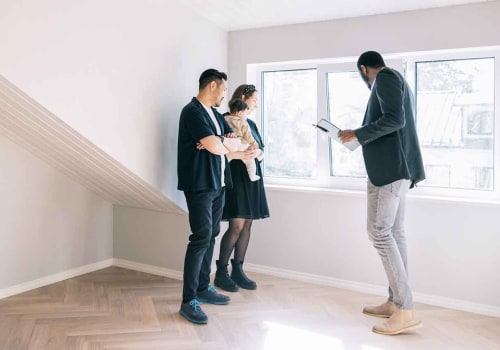
A home inspection is not only important for identifying any existing issues with a property, but it can also help you avoid future problems. For buyers, this can mean negotiating repairs with the seller or backing out of a potentially problematic purchase. For sellers, a home inspection can help you identify and address any issues before putting your property on the market, potentially increasing its value.Becoming a Home Inspector
If you are interested in becoming a home inspector yourself, there are some steps you can take to get started. This may include obtaining relevant education and training, gaining experience through hands-on inspections, and obtaining proper certifications and licenses in your state. If you are interested in becoming a home inspector yourself, there are some steps you can take to get started. This may include obtaining relevant education and training, gaining experience through hands-on inspections, and obtaining proper certifications and licenses in your state. yourself, there are some steps you can take to get started. This may include obtaining relevant education and training, gaining experience through hands-on inspections, and obtaining proper certifications and licenses in your state. If you are interested in becoming a home inspector yourself, there are some steps you can take to get started. This may include obtaining relevant education and training, gaining experience through hands-on inspections, and obtaining proper certifications and licenses in your state.What Does a Home Inspection Cover?
During a home inspection, the inspector will thoroughly examine the property's exterior and interior.This includes checking for any structural issues, such as cracks in the foundation or roof. They will also inspect the electrical and plumbing systems for any safety hazards or code violations. Additionally, they may check for pests, mold, and other potential health hazards.
Potential Issues Found During a Home Inspection
When it comes to buying or selling a property, one of the most crucial steps is getting a home inspection. This thorough examination of the property can help identify any potential problems that may affect its value or safety.While some issues may be minor and easily fixable, others can have a significant impact on the overall cost of the property. Some common issues that may be found during a home inspection include structural problems, electrical or plumbing issues, water damage, mold, and pest infestations. These issues can range from minor wear and tear to major structural defects. However, it's important to remember that the purpose of a home inspection is to identify and address these issues before they become major and costly problems. Structural problems can include issues with the foundation, walls, roof, or windows. These can be caused by natural wear and tear, weather conditions, or poor construction.
If left untreated, they can lead to more severe problems such as water damage or even collapse. Electrical and plumbing issues are also common findings during a home inspection. These can include outdated wiring, faulty outlets, leaky pipes, or improper ventilation. These issues not only pose a safety risk but can also be costly to fix. Water damage is another red flag that may be uncovered during a home inspection. This can be caused by leaks in the roof, plumbing, or foundation, and can lead to mold growth if not addressed promptly.
Mold can not only cause health issues but can also be expensive to remove. Pest infestations are also a common issue found during home inspections. Termites, rodents, and other pests can cause significant damage to the property's structure and may require costly extermination services. Overall, while these potential issues may seem daunting, it's important to remember that a home inspection is meant to uncover them and provide an opportunity to address them before they become major problems. By getting a home inspection done before buying or selling a property, you can have peace of mind knowing that you are making a sound investment. In conclusion, the cost of a home inspection may seem like an added expense when buying or selling a property. However, it is a worthwhile investment that can save you from potential financial and safety risks in the long run.
By understanding the process, benefits, and potential issues of a home inspection, you can make informed decisions when it comes to your property.