Chimneys and fireplaces are essential components of any home, providing warmth and comfort during the cold winter months. However, like any other aspect of a house, they require regular maintenance to ensure their safety. Neglecting to properly care for your chimney and fireplace can lead to serious safety concerns, putting your family and home at risk. In this comprehensive guide, we will discuss common issues found during inspections and offer tips on how to ensure the safety of your chimneys and fireplaces.
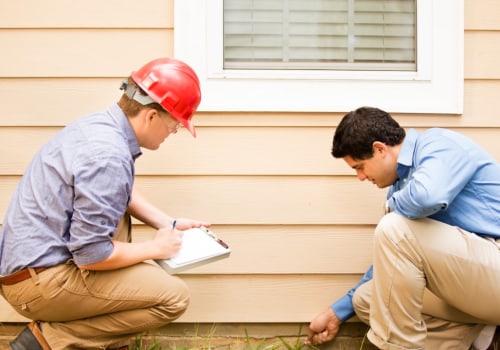
Whether you use them frequently or only occasionally, it is crucial to understand the potential hazards and take the necessary precautions. So sit back, relax, and let us guide you through the process of keeping your chimneys and fireplaces safe for you and your loved ones. During a home inspection, a professional will thoroughly examine the chimney and fireplace to identify any potential safety concerns. One of the main issues commonly found is creosote buildup, which is a highly flammable substance that accumulates over time from burning wood. This can lead to chimney fires if not cleaned regularly. Other common issues include cracked or deteriorating masonry, loose or missing bricks, and damaged or missing chimney caps.
These can all compromise the structure's ability to contain heat and smoke, increasing the risk of a fire. It's important for the inspector to thoroughly assess these areas and make note of any necessary repairs.
Preventing Chimney and Fireplace Hazards
Chimneys and fireplaces are important features in a home, providing warmth and comfort on cold nights. However, without regular maintenance and proper safety measures, they can pose serious hazards. It's important to take preventative steps to ensure the safety of these structures and keep your home and family safe.Regular maintenance is crucial for the safety of chimneys and fireplaces. This includes annual inspections by a certified chimney sweep to check for any potential issues such as creosote buildup, cracks or damage to the flue, and proper ventilation. Any necessary repairs should be made immediately to prevent further hazards. In addition to regular maintenance, there are also safety measures that can be taken to prevent chimney and fireplace hazards.
This includes installing a chimney cap to keep out debris and animals, using a fireplace screen to prevent sparks from escaping, and ensuring that your firewood is properly seasoned to prevent excessive smoke and creosote buildup. It's also important to follow proper usage guidelines for your fireplace. This includes never leaving a fire unattended, keeping flammable items at least three feet away from the fireplace, and making sure the fire is completely extinguished before going to bed or leaving the house.
Cost and Process of a Home Inspection
use HTML structure with cost, process, home inspection, and for paragraphs, do not use "newline character". When it comes to ensuring the safety of chimneys and fireplaces, a thorough home inspection is crucial.This process involves examining the structure, components, and functionality of these features to identify any potential hazards or issues. The cost of a chimney and fireplace inspection can vary depending on the size and complexity of the home, but typically ranges from $100 to $500. It's important to note that this cost is a small price to pay for the peace of mind and safety that comes with knowing your chimneys and fireplaces are in good condition. During a home inspection, the inspector will thoroughly examine the exterior and interior of the chimney, including the flue, liner, and damper.
They will also check for any cracks or damage to the masonry, as well as any buildup of creosote or debris that could potentially cause a fire. In addition, they will inspect the fireplace itself, looking for any signs of wear and tear or malfunctioning components. Overall, the process of a chimney and fireplace inspection is comprehensive and essential for ensuring the safety of these important features in your home.
Becoming a Home Inspector
If you're considering entering the home inspection industry, there are several steps you'll need to take to ensure that you're fully prepared to provide thorough and accurate inspections. Home inspectors play a crucial role in ensuring the safety and well-being of homeowners, so it's important to have a solid understanding of the job requirements and responsibilities. The first step to becoming a Home Inspector is to research the licensing and certification requirements in your area.Depending on where you live, there may be specific education and training courses that are required for certification. It's important to familiarize yourself with these requirements so that you can begin the process of obtaining the necessary credentials. Next, you'll need to enroll in a reputable home inspection training program. These programs will cover all aspects of home inspection, including building codes, safety regulations, and common issues found during inspections. It's important to choose a program that is accredited and recognized by industry organizations. After completing your training program, you'll need to pass a certification exam.
This exam will test your knowledge of home inspection techniques and best practices. Once you've passed the exam, you can apply for your home inspector license. In addition to education and training, it's important to gain hands-on experience in the field. Many home inspectors start out by working as apprentices or assistants for established inspectors. This allows them to learn from experienced professionals and gain practical skills in conducting inspections. Finally, it's important to stay up-to-date on industry developments and regulations.
Home inspection standards and practices may change over time, so it's important to continue learning and improving your skills as a home inspector. In conclusion, the safety of your chimneys and fireplaces should not be overlooked during a home inspection. Not only can these structures pose a danger to your home and family if not properly maintained, but they can also affect the value of your property. By understanding the common issues found during inspections and taking necessary precautions, you can ensure the safety and functionality of your chimney and fireplace for years to come.