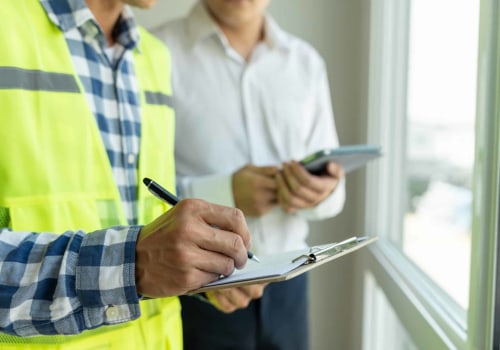
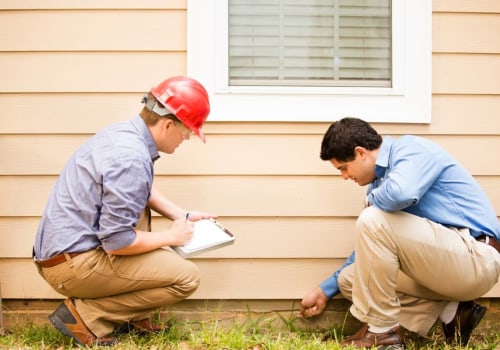
Buying a home can be an exciting and overwhelming experience. It's a major investment and one that should not be taken lightly. One crucial step in the home buying process is the home inspection. A home inspection is a thorough examination of a property's condition, including its structure, systems, and features.
It's essential to identify any potential hazards during a home inspection to ensure the safety and well-being of you and your family. In this comprehensive guide, we will discuss the hazards you should look for during a home inspection and why they are important to address. Whether you're a first-time homebuyer or a seasoned homeowner, this article will provide valuable information on common hazards found during inspections and how to address them. So, let's dive in and learn more about the safety concerns you should be aware of when inspecting a home. The main purpose of a home inspection is to assess the overall condition of a property.
During this process, a professional inspector will thoroughly examine the structure, systems, and components of the home and identify any issues that need attention. As a result, home inspections can help buyers make informed decisions about purchasing a property and can also help sellers address any potential problems before putting their home on the market. One of the most important things to look out for during a home inspection is safety hazards. These can range from minor issues like loose handrails to more serious concerns such as faulty wiring or structural damage. It is crucial to address these hazards as soon as possible to ensure the safety and well-being of those living in the home. Some common safety concerns that may be found during a home inspection include:
- Electrical hazards - These can include outdated or faulty wiring, overloaded circuits, and exposed wires.
- Structural issues - This can range from minor cracks in walls or ceilings to more serious problems like foundation damage or roof leaks.
- Fire hazards - These can include improper ventilation, lack of working smoke detectors, or flammable materials stored near heat sources.
- Plumbing problems - This can include leaky pipes, poor water pressure, or outdated plumbing systems that may pose a risk of flooding or water damage.
- Environmental hazards - These can include issues like mold, asbestos, or radon, which can have serious health implications if left untreated.
Depending on the severity of the issue, it may be necessary to hire a professional contractor or specialist to make the necessary repairs or updates. In some cases, it may also be necessary to negotiate with the seller to cover the cost of addressing these hazards before finalizing the sale. When considering becoming a home inspector yourself, it is essential to understand the scope of the job and the potential risks involved. You will need to have a thorough understanding of building codes and safety regulations, as well as proper training and certification. It is also important to regularly update your knowledge and skills to stay up-to-date with any changes in the industry. Some may argue that home inspections are an unnecessary expense, but the potential benefits far outweigh the cost.
Not only do they provide peace of mind for buyers and sellers, but they also help ensure the safety and quality of homes for years to come.
Electrical Hazards
One of the most important hazards to look for during a home inspection is any potential issues with the electrical system. This includes checking for outdated or faulty wiring, as well as ensuring that all outlets, switches, and fixtures are functioning properly. Electrical hazards can pose a serious safety risk and can also lead to expensive repairs if not addressed. To ensure that all electrical systems are up-to-date and functioning properly, it is recommended to hire a licensed electrician to conduct a thorough inspection. They will be able to identify any potential hazards and provide recommendations for repairs or replacements. It is also important for homeowners to regularly check their electrical systems for any signs of wear or damage, such as frayed wires or flickering lights.These should be addressed immediately to prevent any potential hazards. By addressing any electrical hazards during a home inspection, you can ensure the safety and value of your home for both yourself and any potential buyers.
Fire Hazards
When it comes to home safety, fire hazards are a major concern. Not only can they cause significant damage to the property, but they also pose a serious threat to the safety of homeowners and their families. As a result, it is crucial to be aware of potential fire hazards during a home inspection. One of the best ways to prevent fire hazards is by installing smoke detectors throughout the home. These devices can detect smoke and alert residents of a potential fire, giving them enough time to evacuate the premises.It is important to regularly test and replace batteries in smoke detectors to ensure they are functioning properly. In addition to smoke detectors, proper ventilation is also essential in preventing fire hazards. Poor ventilation can lead to a buildup of flammable gases, increasing the risk of a fire breaking out. Make sure that all vents, chimneys, and exhaust fans are clear of any obstructions and functioning correctly.
Structural Issues
During a home inspection, one of the most important things to look for are structural issues. These can range from minor cracks in the walls to major foundation problems.Addressing any structural problems promptly is crucial in preventing further damage and ensuring the safety and stability of the home. Some common structural issues found during home inspections include:
- Foundation Problems: These can include cracks, settling, or shifting of the foundation. This can be caused by a variety of factors, such as poor construction, soil issues, or water damage. If left unaddressed, foundation problems can lead to serious structural damage.
- Roof Damage: A damaged roof can compromise the integrity of the entire structure.
Look for signs of water damage, missing shingles, or sagging areas.
- Structural Framing Issues: This can include problems with the beams, columns, or walls of the home. These issues can affect the stability and safety of the entire structure.
Plumbing Problems
Plumbing problems are one of the most common issues found during home inspections.Leaky pipes and outdated plumbing systems can lead to significant water damage, which not only affects the structural integrity of the home but also poses health risks to its occupants. If left unaddressed, plumbing problems can result in expensive repairs and even decrease the value of the home. Therefore, it is crucial to fix any issues identified during a home inspection and update outdated plumbing systems to prevent potential hazards. One of the most common plumbing problems is leaky pipes. These can be caused by various factors such as aging pipes, corrosion, or improper installation. Not only do leaky pipes waste water and increase utility bills, but they can also cause water damage to walls, floors, and other areas of the home.
It is important to fix leaky pipes as soon as they are identified to prevent further damage. Outdated plumbing systems can also pose hazards during a home inspection. These include old and corroded pipes, faulty fixtures, and inadequate water pressure. These issues can lead to problems such as clogged drains, burst pipes, and even contamination of the water supply. It is essential to update outdated plumbing systems to ensure the safety and functionality of the home.
Environmental Hazards
When it comes to the safety and value of a home, environmental hazards should not be overlooked.These hazards can include mold, asbestos, and other harmful substances that can impact the health of those living in the home. Not only can they affect the well-being of the occupants, but they can also lead to costly repairs and decrease the value of the property. If you are buying or selling a home, it is important to take necessary steps to address any environmental hazards that may be present. This not only ensures the safety of those living in the home, but it also protects your investment. Mold is one of the most common environmental hazards found during home inspections. It thrives in damp and humid environments, and can often be found in areas such as basements, bathrooms, and kitchens.
Exposure to mold can cause respiratory issues, allergies, and other health problems. If mold is found during a home inspection, it is important to have it professionally removed and address any underlying moisture issues. Asbestos is another hazardous substance that may be found during a home inspection. This material was commonly used in homes built before the 1980s for insulation, flooring, and other construction materials. However, it has since been linked to serious health issues such as lung cancer and mesothelioma.
If asbestos is found in a home, it is important to have it properly removed by a trained professional. Other environmental hazards that may be identified during a home inspection include radon, lead paint, and volatile organic compounds (VOCs). These substances can have negative effects on both the health and value of a home if not addressed. In order to ensure the safety and value of a home, it is important to take necessary steps to address any environmental hazards that may be present. This can include hiring professionals to remove hazardous substances and addressing any underlying issues that may be causing them. By doing so, you can have peace of mind knowing that your home is a safe and healthy place for you and your family. In conclusion, home inspections are a crucial step in the home buying and selling process.
By identifying and addressing potential hazards, they can help ensure the safety and value of a property. Whether you are a buyer, seller, or aspiring home inspector, understanding these common hazards and their potential impact is essential.