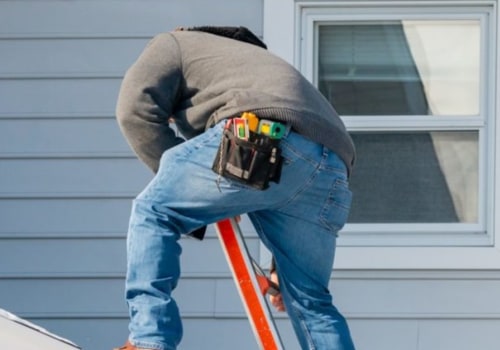
Are you a home buyer looking to get the best deal on your dream home? One way to potentially negotiate a lower price is by utilizing a home inspection. A home inspection is a thorough examination of a property's condition, from the roof to the foundation, conducted by a professional inspector. It can uncover any potential issues or defects that may not be visible to the naked eye and allow you to negotiate a lower price with the seller. In this article, we will explore the benefits of using a home inspection as a bargaining tool and how it can help buyers like you make informed decisions.
So, if you're in the market for a new home, keep reading to find out how a home inspection can save you money and give you peace of mind. A home inspection is a crucial step in the process of purchasing or selling a property. It involves a thorough examination of the property's structure, systems, and components to identify any potential issues or defects. Both buyers and sellers can benefit from a home inspection, as it provides valuable information that can help with negotiations and potentially save money. The process of a home inspection typically involves a licensed professional visiting the property and conducting a visual examination of its interior and exterior. They will check for any structural issues, such as cracks in the foundation or roof, as well as inspecting the systems and components, such as plumbing, electrical, and HVAC.
The cost of a home inspection can vary depending on the size and location of the property, but it is usually a few hundred dollars. Now, let's discuss the benefits of a pre-purchase home inspection when it comes to negotiating a lower price. The information gathered from a home inspection report can be used to negotiate repairs or price reductions from the seller. If any major issues are found during the inspection, buyers can request that they be addressed before finalizing the sale. In some cases, sellers may agree to lower the price of the property to account for any necessary repairs. It is important to note that a home inspection may uncover minor issues that are common in older homes, such as wear and tear on appliances or cosmetic defects.
These issues may not necessarily warrant a lower price but can still be addressed during negotiations. However, there may be instances where an inspection reveals significant problems that could affect the value of the property. In these cases, buyers have the option to walk away from the sale or negotiate for a lower price based on the cost of necessary repairs. This is where having a home inspection can potentially save buyers thousands of dollars. For those interested in becoming a home inspector, it is important to note that the profession requires specialized training and licensing. The first step is to research the requirements in your state and complete any necessary courses or exams.
Once licensed, home inspectors can provide a valuable service to buyers and sellers and help ensure a fair and transparent real estate transaction.
Potential Issues Found During an Inspection
During a home inspection, a variety of issues can be uncovered. These can range from minor repairs to more serious defects that may affect the value of the property. It is important for buyers to carefully review the inspection report and discuss any concerns with their real estate agent before proceeding with negotiations.Benefits of a Pre-Purchase Home Inspection
Aside from providing transparency and avoiding unexpected expenses, a pre-purchase home inspection can also give buyers leverage in negotiating a lower price. If any issues are found during the inspection, buyers can use this information to request repairs or a price reduction from the seller.In some cases, sellers may even agree to cover the cost of repairs before the sale is finalized.
The Process and Cost of a Home Inspection
The process of a home inspection typically involves a licensed inspector conducting a thorough evaluation of the property's structure, systems, and components. This can include the roof, foundation, plumbing, electrical, and more. The cost of a home inspection can vary depending on the size and location of the property, but it is a worthwhile investment to ensure a smooth transaction.Understanding the Importance of a Home Inspection
A home inspection is a professional evaluation of a property's condition. It can identify any potential problems or defects that may not be visible to the naked eye.This is crucial for both buyers and sellers as it provides transparency and ensures that all parties are aware of the property's true condition. In addition, it can help buyers avoid any unexpected expenses or repairs in the future.
Considering a Career as a Home Inspector?
If you are interested in becoming a home inspector yourself, there are some important steps you will need to take. This may include completing an accredited training program, gaining relevant experience, and obtaining a license or certification. It is also essential to stay updated on industry standards and regulations.In conclusion
, using a home inspection to negotiate a lower price is a smart move for both buyers and sellers.It provides transparency, helps avoid unexpected expenses, and can give buyers leverage in negotiations. For those interested in becoming a home inspector, it is important to follow the necessary steps to ensure success in this career path.