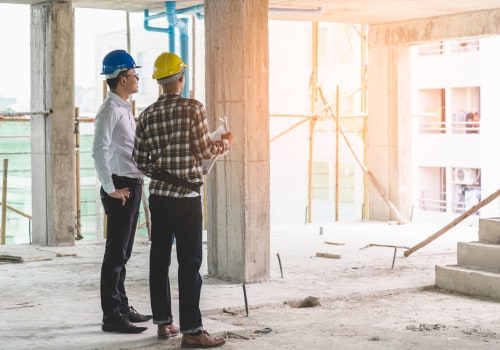
In the process of buying or selling a home, one crucial step is the home inspection. This is when a professional inspector will thoroughly examine the property and provide a detailed report on its condition. But many people wonder, how long does a home inspection take? The answer is not a simple one, as there are various factors that can affect the duration of a home inspection. In this article, we will delve into the details of the home inspection process and checklist, and discuss what to expect during a home inspection.
Whether you are a first-time buyer or a seasoned homeowner, understanding the time frame of a home inspection can help you prepare for this important step in the real estate process. Firstly, let's discuss the average time it takes for a home inspection. The length of a home inspection can vary depending on the size and condition of the property, but on average, it can take anywhere from 2-4 hours. This may seem like a long time, but keep in mind that a thorough home inspection involves checking every major aspect of the property, including the roof, foundation, plumbing, electrical, and more. It's important for the inspector to take their time to ensure that they don't miss any potential issues that could affect the value or safety of the property. Now let's talk about the cost of a home inspection.
Again, this can vary depending on the location and size of the property, but on average, you can expect to pay anywhere from $300-$500 for a home inspection. While this may seem like an additional expense, it is well worth it for the peace of mind and potential savings in the long run. A home inspection can uncover any major issues with the property that could potentially cost thousands of dollars to repair. Aside from time and cost, let's also touch upon the benefits of a home inspection. By having a professional inspect the property before purchasing or selling it, you can have confidence in the condition of the property and potentially negotiate a better deal.
A home inspection can also uncover any safety hazards or major issues that may not be visible to the untrained eye. On the flip side, if you are interested in becoming a home inspector, there is a growing demand for this profession and it can be a rewarding career path. Some common issues that can be found during a home inspection include faulty electrical wiring, plumbing leaks, structural damage, and mold or pest infestations. It's important to address these issues as soon as possible to avoid any potential safety hazards or costly repairs. Overall, a home inspection is an essential part of the home buying or selling process and can provide valuable information for both parties involved. It may seem like a long and costly process, but it is well worth it for the peace of mind and potential savings in the long run.
Becoming a Home Inspector
If you are interested in becoming a home inspector, there are a few steps you will need to take in order to achieve your goal.The first step is to research your state's requirements for becoming a licensed home inspector. This may include completing a certain number of training hours or passing an exam. Next, you will need to complete a home inspection training program. There are many options available, including online courses and in-person classes. It is important to choose a program that is accredited and recognized by your state's licensing board. Once you have completed your training, you can then take the necessary exams to become certified.
This will typically involve both a written exam and a practical exam where you will demonstrate your skills in conducting a home inspection. After becoming certified, you will need to obtain insurance and any necessary business licenses in order to legally operate as a home inspector. It is also important to continue learning and staying updated on industry standards and practices through continuing education courses. Becoming a home inspector can be a rewarding career choice for those who have an eye for detail and enjoy working with homes and their systems. With the growing demand for home inspections in the real estate market, it is a field that offers potential for growth and success.
The Benefits
If you are in the process of buying or selling a home, getting a home inspection is an essential step that should not be skipped. While it may seem like an additional expense, the benefits of a home inspection far outweigh the cost.One of the main benefits of a home inspection is that it can give you peace of mind. Knowing the condition of the property and any potential issues can help you make an informed decision about whether to proceed with the purchase or negotiate repairs with the seller. Without a home inspection, you may end up with unexpected and costly repairs down the road. Another benefit of a home inspection is that it can save you money in the long run. By identifying any major issues or potential problems, you can factor these into your budget and potentially negotiate a lower price for the property.
This can save you thousands of dollars in the long term. Additionally, a home inspection can also provide valuable information for future maintenance and repairs. The inspector can point out any areas that may need attention or offer suggestions for preventative measures to keep your home in good condition. This can ultimately save you time and money on future repairs. Lastly, if you are interested in becoming a home inspector yourself, getting a home inspection is a great way to gain firsthand knowledge and experience. You will learn about common issues and best practices, which can be helpful if you decide to pursue a career in this field. In conclusion, there are many reasons why you should get a home inspection when buying or selling a property.
From peace of mind to potential cost savings and valuable knowledge, a home inspection is an important step in the home buying process. Don't overlook this crucial aspect and make sure to hire a reputable and experienced inspector for the best results.
The Issues
While a home inspection can provide valuable information about the condition of a property, it can also uncover potential issues that may not be immediately apparent to the buyer or seller. These problems can range from minor maintenance issues to major structural defects, and it is important for all parties involved to be aware of them. One common issue found during home inspections is faulty electrical wiring. This can include outdated or unsafe wiring, overloaded circuits, and improper installation.Electrical problems can not only be dangerous, but they can also be expensive to fix. Another common issue is plumbing problems, such as leaky pipes, low water pressure, or faulty fixtures. These issues can be costly to repair and may also indicate more serious underlying problems with the plumbing system. Home inspectors may also uncover issues with the heating and cooling systems, including malfunctioning equipment or inadequate insulation. These problems can affect the comfort and energy efficiency of the home. Structural issues, such as foundation cracks or roof damage, can also be discovered during a home inspection. These types of problems can be very expensive to fix and may require the involvement of a structural engineer. Other potential issues that may be found during a home inspection include mold, pests, and environmental hazards like radon or asbestos.
It is important for buyers and sellers to be aware of these issues so they can take appropriate action. Overall, the home inspection process is designed to identify potential problems and provide valuable information for buyers and sellers. While it may uncover some issues, it is an important step in the home buying and selling process that can help ensure a smooth transaction for all parties involved.
The Time
When it comes to home inspections, one of the most common questions people have is: How long does a home inspection take? The answer to this question can vary depending on several factors, but on average, a home inspection can take anywhere from 2-4 hours. This may seem like a long time, but keep in mind that a thorough home inspection involves examining every nook and cranny of the property, both inside and out. The exact time it takes for a home inspection will also depend on the size and condition of the home. For example, a smaller and newer home may take less time to inspect compared to a larger and older home with potential maintenance issues. Additionally, the experience and efficiency of the home inspector also play a role in the duration of the inspection.A seasoned professional who knows what to look for and how to document their findings may be able to complete an inspection more quickly than someone who is just starting out. It's important to note that while 2-4 hours is the average time for a home inspection, this can also vary depending on the specific needs and requests of the client. If there are additional areas or components that need to be inspected, this may add more time to the overall process. In some cases, a home inspection may take longer than anticipated due to unforeseen issues or complications. This is why it's important to schedule enough time for the inspection in order to ensure a thorough and comprehensive evaluation of the property.
The Cost
If you are considering getting a home inspection, one of the first questions that may come to mind is how much it will cost. The cost of a home inspection can vary depending on several factors, such as the location of the home, the size and age of the home, and the expertise and experience of the home inspector. On average, a home inspection can cost anywhere from $300 to $500.However, this price can increase or decrease depending on the aforementioned factors. For example, a larger and older home may require more time and effort from the home inspector, resulting in a higher cost. In some cases, additional services such as radon or mold testing may also be included in the overall cost. It is important to note that while a home inspection may seem like an added expense during the home buying or selling process, it can actually save you money in the long run. A thorough home inspection can uncover potential issues that may not be visible to the untrained eye, allowing you to address them before they become costly problems. When considering the cost of a home inspection, it is also important to factor in the potential benefits.
For buyers, a home inspection can provide peace of mind and ensure that they are making an informed decision when purchasing a property. For sellers, a home inspection can help identify any issues that may need to be addressed before putting the home on the market, potentially increasing its value. In conclusion, while there is a cost associated with a home inspection, it is well worth it for the potential benefits and peace of mind it can provide. Remember to do your research and choose a reputable and experienced home inspector for the best results. In conclusion, a home inspection is an important step in the home buying or selling process. It may take a few hours and cost a few hundred dollars, but the benefits far outweigh the time and cost involved.
Whether you are buying or selling a home, or interested in becoming a home inspector yourself, it's important to understand the process and potential issues that can arise. By being informed and prepared, you can ensure a smooth and successful transaction.