Are you in the market for a new home? One of the most important steps in the home buying process is getting a home inspection. It's crucial to choose a reputable home inspector who has the necessary experience and credentials to properly assess the condition of a property. But with so many home inspectors out there, how do you know who to trust? What qualities should you be looking for in a home inspector?In this article, we will dive into the key factors to consider when choosing a home inspector. We'll discuss the importance of experience and credentials, and how they play a role in ensuring a thorough and accurate home inspection. Whether you're a first-time homebuyer or a seasoned homeowner, this article will provide valuable insights on what to look for in a home inspector. So let's get started on our journey to finding the perfect home inspector for your needs!First and foremost, it's important to understand the purpose of a home inspection.
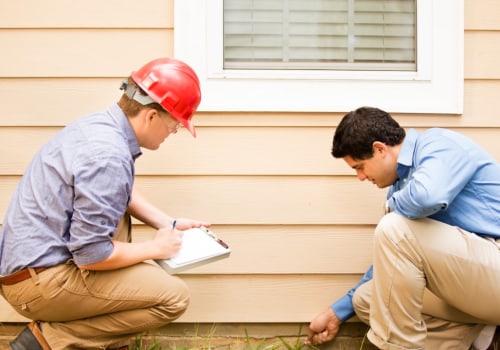
A home inspector's job is to thoroughly assess the condition of a property, from top to bottom. This includes the structure, foundation, electrical systems, plumbing, heating and cooling systems, as well as any visible issues with the interior and exterior of the home. They will then provide a detailed report of their findings to the client. When looking for a home inspector, experience should be one of the top factors to consider. You want someone who has been in the industry for a significant amount of time and has inspected a variety of properties.
This will ensure they have the knowledge and expertise to identify any potential issues and provide accurate recommendations. Another important aspect is credentials. A reputable home inspector should be licensed and certified by a recognized organization. This shows that they have met certain standards and have the necessary training to perform thorough inspections. Some common certifications include those from the American Society of Home Inspectors (ASHI) and the International Association of Certified Home Inspectors (InterNACHI).It's also worth considering any additional training or specializations a home inspector may have.
For example, if you're purchasing an older home, you may want to look for an inspector who has experience with historic properties. Or, if you're concerned about potential environmental hazards, such as mold or asbestos, you may want to find an inspector who is certified in those areas. When it comes to the cost of a home inspection, it can vary depending on the size and location of the property, as well as the experience and credentials of the inspector. On average, a home inspection can cost between $300-$500. However, keep in mind that a thorough inspection can save you thousands of dollars in the long run by identifying any potential issues before you make a purchase. One of the biggest benefits of a home inspection is the peace of mind it can provide.
Knowing the true condition of a property can help you make an informed decision and avoid any costly surprises after you've purchased the home. On the other hand, if you're selling a property, a home inspection can also help identify any issues that may come up during negotiations with potential buyers. However, it's important to note that a home inspection is not a guarantee that nothing will go wrong with a property in the future. It's simply an assessment of the current condition and any potential risks. This is why it's crucial to choose a reputable home inspector with the right experience and credentials. If you're interested in becoming a home inspector yourself, there are certain steps you need to take.
First and foremost, you should have a strong background in construction, engineering, or architecture. This will provide you with the necessary knowledge of building systems and structures. You may also want to consider taking courses or getting certified through organizations like ASHI or InterNACHI. Additionally, you will need to check with your state's requirements for home inspectors. Some states may require a license, while others may have different regulations.
It's also a good idea to gain hands-on experience by shadowing an experienced home inspector or completing a certain number of inspections before going out on your own. As you can see, there are many factors to consider when choosing a reputable home inspector.
Experience and credentials
are essential qualities to look for, as they will ensure a thorough and accurate assessment of a property. Whether you're buying, selling, or interested in becoming a home inspector yourself, make sure to do your research and choose someone with the necessary experience and credentials to provide you with peace of mind and protect your investment.Benefits of a Home Inspection
When it comes to buying or selling a home, a thorough home inspection is crucial. It can help uncover any potential issues or hazards that may affect the value of the property.Skipping this important step could lead to major financial and safety risks for the buyer or seller. A home inspection provides an in-depth evaluation of the property's condition, including its structure, electrical systems, plumbing, and more. This can give you peace of mind knowing that you are making a sound investment or help you negotiate repairs or price adjustments if issues are found. Additionally, a home inspection can also uncover any safety hazards that may be present, such as mold, radon, or carbon monoxide. These hazards can pose serious health risks if left undetected. By having a home inspection, you can ensure the safety of yourself and your family. In the long run, a home inspection can save you time and money by identifying potential problems before they become bigger and more expensive issues.
It also gives you the opportunity to discuss any concerns with the seller and potentially negotiate repairs or a lower price.
The Cost of a Home Inspection
When it comes to buying or selling a home, one of the necessary steps is getting a thorough home inspection. It is an essential part of the process as it can help uncover any potential issues or hazards that may affect the value of the property. However, one important factor to consider when choosing a home inspector is the cost of their services. The cost of a home inspection can vary depending on several factors. One of the main factors is the size and age of the home.A larger and older home will typically require more time and effort to inspect, thus resulting in a higher cost. Additionally, the location of the home can also affect the price, as some areas may have higher living costs. Another factor that can impact the cost is the type of inspection being performed. A standard home inspection will cover the major systems and components of a home, but additional inspections such as termite or radon may come at an extra cost. The experience and qualifications of the home inspector can also play a role in the cost. A highly experienced and certified inspector may charge more for their services, but their expertise and thoroughness may be worth the investment. Lastly, market conditions can also affect the price of a home inspection.
During times of high demand, prices may increase due to limited availability and increased competition.
Becoming a Home Inspector
If you're interested in becoming a home inspector, there are a few steps you should take to get started. First, you'll need to research the requirements for home inspectors in your state or region. Each area may have different regulations and licensing requirements, so it's important to understand what is required of you. Next, you may want to consider taking a training course or program specifically for home inspectors. These courses can provide you with the knowledge and skills needed to perform thorough inspections and understand building codes and regulations. Once you have completed any necessary training, you can apply for a license or certification as a home inspector. This may involve passing an exam and/or completing a certain number of supervised inspections. It's also important to gain experience in the field.You can do this by working as an apprentice under an experienced home inspector, or by starting your own business and gaining hands-on experience through conducting inspections. Lastly, staying up-to-date on industry trends and advancements is crucial for success as a home inspector. Continuing education courses or attending conferences and workshops can help you stay current and provide valuable networking opportunities with other professionals in the field.
The Importance of Credentials
When it comes to choosing a reputable home inspector, one of the most important factors to consider is their credentials. These credentials not only demonstrate the inspector's qualifications and expertise, but also give you peace of mind knowing that they have undergone the necessary training and education in their field. Here are some certifications and specializations to consider when looking for a home inspector: National Association of Home Inspectors (NAHI) Certification: NAHI is a non-profit professional organization that offers certification to home inspectors who have completed rigorous training and passed a comprehensive exam.This certification ensures that the inspector has a thorough understanding of the various systems and components of a home.
American Society of Home Inspectors (ASHI) Certification:
ASHI is another reputable organization that offers certification to home inspectors who have met certain education and experience requirements. Their certification process includes both written exams and field assessments, ensuring that the inspector has both knowledge and practical skills.International Association of Certified Home Inspectors (InterNACHI) Certification:
InterNACHI offers one of the most comprehensive certification programs for home inspectors.In addition to passing exams, inspectors must also complete a certain number of continuing education hours each year to maintain their certification. InterNACHI also offers specialized certifications in areas such as mold, radon, and energy efficiency.
Specialized Training and Education:
Aside from certifications, it's also important to consider any specialized training or education that the inspector may have. For example, an inspector with a background in engineering or construction may have a deeper understanding of structural issues compared to someone without this background.Local Requirements: In addition to national certifications, it's also important to check if there are any specific requirements or licenses for home inspectors in your state or local area. This can ensure that the inspector is familiar with any specific regulations or codes that may apply to your property.
Experience and References:
While certifications and specialized training are important, it's also crucial to consider the inspector's experience and references. Ask about how many inspections they have performed, if they have experience with properties similar to yours, and if they can provide references from satisfied clients.Conclusion: When searching for a home inspector, be sure to consider their credentials as a crucial factor in your decision. Look for certifications from reputable organizations, specialized training or education, and experience in the field. By choosing a qualified and knowledgeable inspector, you can ensure a thorough and accurate inspection of your potential home.
Why Experience Matters
When it comes to choosing a home inspector, experience is a key factor to consider. An experienced home inspector will have the knowledge and skills to thoroughly assess a property and identify any potential issues or hazards. So, what should you look for in an experienced home inspector? First and foremost, make sure they have a good track record.This can include their number of years in the industry, as well as any certifications or licenses they hold. It's also important to ask for references from previous clients to get a better understanding of their experience and expertise. Another important aspect to consider is their area of specialization. Some home inspectors may have more experience in certain types of properties, such as older homes or commercial buildings. Depending on your specific needs, it's important to find an inspector who has experience in the type of property you are looking to buy or sell. In addition, a good home inspector should have experience using the latest tools and technology for inspections.
This can include thermal imaging cameras, moisture meters, and other specialized equipment that can help uncover hidden issues. Lastly, experience is not just about the number of years in the industry, but also ongoing education and training. A reputable home inspector will continuously update their knowledge and skills through courses and workshops to stay up-to-date with industry standards and best practices.
Becoming a Home Inspector
If you're interested in becoming a home inspector, there are several steps you can take to start your career in this field. The first step is to research the requirements for home inspectors in your state. Each state has its own regulations and licensing requirements, so it's important to familiarize yourself with these before pursuing this career path. Next, you may want to consider taking courses or obtaining a degree in a related field such as construction, engineering, or architecture.These educational backgrounds can provide you with a solid foundation of knowledge and skills that will be useful in your career as a home inspector. Once you have the necessary education and training, you can then pursue certification from a professional organization such as the American Society of Home Inspectors (ASHI) or the International Association of Certified Home Inspectors (InterNACHI). These organizations offer certification exams and ongoing education opportunities to help you stay up-to-date on industry standards and best practices. Lastly, it's important to gain hands-on experience by working with an experienced home inspector or interning with a home inspection company. This will give you valuable practical experience and insights into the day-to-day responsibilities of a home inspector. In conclusion, when searching for a home inspector, it's crucial to consider their experience and credentials. Look for someone with a significant amount of experience and recognized certifications.
Also, don't forget to do your research and ask for references from past clients. Remember, a thorough home inspection can save you time, money, and stress in the long run. And if you're interested in becoming a home inspector yourself, make sure to have the necessary background and training to provide quality inspections.