Buying a home is a major investment, and one that should not be taken lightly. You want to make sure that the house you are purchasing is in good condition and won't require costly repairs in the future. That's where a pre-purchase inspection comes in. This crucial step in the home buying process can save you from potential financial headaches down the road.
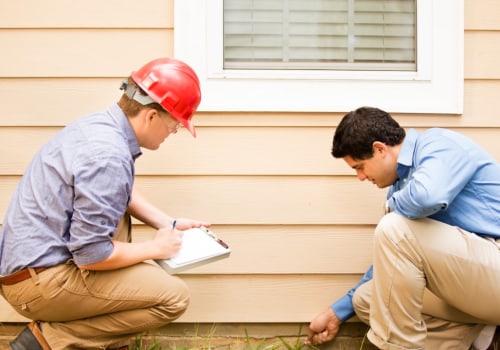
In this article, we will discuss the benefits of pre-purchase home inspections for buyers and how they can help you avoid expensive repairs. So if you're in the market for a new home, keep reading to find out why a pre-purchase inspection is a wise decision. A pre-purchase inspection is a thorough examination of a property by a professional home inspector before it is bought or sold. It is designed to identify any potential issues or hazards that may not be immediately obvious to the untrained eye. This can include structural, electrical, plumbing, or pest-related problems.
By having a pre-purchase inspection done, you can avoid purchasing a property with hidden issues that could end up costing you a significant amount of money in repairs. If you are considering buying or selling a property, it is important to understand the benefits of a pre-purchase inspection. Not only does it provide peace of mind, but it can also save you thousands of dollars in costly repairs down the line. One of the main benefits of a pre-purchase inspection is that it can uncover any potential issues with the property that may not be visible during a regular viewing. While you may be able to spot obvious problems such as a leaky roof or faulty wiring, a trained home inspector will have a keen eye for more subtle issues that could cause major headaches in the future. Structural issues are one of the most common problems found during pre-purchase inspections. This can include cracks in the foundation, uneven floors, or damaged walls.
These issues may not be immediately noticeable, but they can lead to serious structural damage if left unchecked. Electrical and plumbing issues are also frequently uncovered during pre-purchase inspections. Faulty wiring or outdated plumbing systems can not only be costly to repair but can also pose serious safety hazards. A pre-purchase inspection will ensure that these systems are up to code and functioning properly. Pest-related problems are another issue that can be identified during a pre-purchase inspection. A home inspector will be on the lookout for signs of infestation such as termite damage or rodent droppings.
These issues can be costly to address and can significantly decrease the value of a property. By having a pre-purchase inspection done, you can also negotiate with the seller for any necessary repairs or a lower purchase price based on the findings of the inspection. This can potentially save you thousands of dollars and give you peace of mind knowing that the property is in good condition. In order to become a home inspector, one must undergo rigorous training and obtain proper certifications. This ensures that the inspection is conducted by a qualified professional who has a thorough understanding of all aspects of a property. In conclusion, a pre-purchase inspection is an essential step for anyone buying or selling a property. Not only does it uncover any potential issues with the property, but it also provides valuable information for negotiating and avoiding costly repairs in the future.
Don't overlook the importance of a pre-purchase inspection when it comes to your next real estate transaction.
Potential Issues
During a pre-purchase home inspection, the goal is to identify any potential problems with the property that could result in costly repairs in the future. Some of the most common issues found during these inspections include:- Structural problems: This can include issues with the foundation, walls, or roof of the property. These types of problems can be expensive to fix and could affect the safety and stability of the home.
- Electrical and plumbing issues: Faulty wiring, outdated electrical systems, and plumbing leaks are all common problems found during inspections. These issues can be hazardous and can also lead to costly repairs.
- Mold and water damage: Inspectors will check for signs of mold and water damage, which can be a red flag for potential health hazards and structural damage.
- Heating and cooling problems: A malfunctioning HVAC system can result in uncomfortable living conditions and expensive repairs.
Inspectors will thoroughly check the heating and cooling systems to ensure they are functioning properly.
The Benefits
use HTML structure with Avoiding Costly Repairs with a Pre-Purchase Inspection only for main keywords and Are you considering buying or selling a property? A pre-purchase home inspection can save you thousands of dollars in costly repairs. Not only does it provide peace of mind, but it also allows you to negotiate a better price for the property.A pre-purchase inspection can uncover hidden issues that may not be immediately apparent, such as structural damage, mold, or pests. This can potentially save you from making a bad investment or getting stuck with expensive repairs down the line. It also gives you the opportunity to budget for any necessary repairs and factor them into your decision-making process. Additionally, a pre-purchase inspection can give you leverage in negotiations with the seller. If significant issues are found during the inspection, you may be able to negotiate a lower price or have the seller address the issues before finalizing the sale.
This can potentially save you thousands of dollars and make the entire buying process smoother and more transparent. Don't make the mistake of thinking a pre-purchase inspection is unnecessary or too expensive. The small cost of an inspection pales in comparison to the potential savings and peace of mind it can provide. Skipping this crucial step could end up costing you much more in the long run.
How to Become a Home Inspector
use HTML structure with Steps to Starting Your Career in Home Inspections only for main keywords and A pre-purchase home inspection is an essential step for buyers and sellers in the real estate market. Not only does it provide a comprehensive assessment of the property's condition, but it can also save you from costly repairs in the future.If you are considering becoming a home inspector, here are the steps you need to take to start your career.
1.Obtain the necessary education and training:
To become a home inspector, you will need to have a strong understanding of building codes, construction materials, and safety regulations. You can take courses or get a degree in fields such as engineering, architecture, or construction management.2.Gain experience:
Many states require home inspectors to have a certain number of hours of hands-on experience before they can obtain a license. You can gain experience by working with an experienced home inspector or by completing internships.3.Get licensed and certified:
Once you have completed your education and gained enough experience, you will need to obtain a license from your state's regulatory board. Some states also require home inspectors to be certified by a professional organization such as the American Society of Home Inspectors.4.Start your own business or join an established firm:
You can either start your own home inspection business or join an established firm.Both options have their pros and cons, so it's important to carefully consider which path is right for you. Becoming a home inspector requires dedication, hard work, and continuous learning. However, it can be a rewarding career that allows you to help people make informed decisions about their properties. By following these steps, you can start your journey towards becoming a successful home inspector. do not use "newline character
The Process
A pre-purchase home inspection is a crucial step for anyone looking to buy or sell a property.It involves a thorough examination of the property by a professional home inspector to identify any potential issues or repairs that may need to be addressed. Here is a step-by-step guide to help you understand the process of a pre-purchase inspection:Step 1: Research and Hire a Qualified Home InspectorThe first step in the process is to research and hire a qualified home inspector. It is important to choose someone who is experienced, certified, and has a good reputation in the industry. You can ask for recommendations from friends, family, or your real estate agent, or do your own research online.
Step 2: Schedule the Inspection
Once you have found a home inspector, it is time to schedule the inspection. This should be done before signing any contracts or making any offers on the property.Most inspections can be scheduled within a few days, but it is important to check with your inspector's availability.
Step 3: Attend the Inspection
It is highly recommended that you attend the inspection in person. This will give you an opportunity to ask questions, point out any concerns you may have, and get a better understanding of the overall condition of the property.Step 4: Receive the Inspection Report
After the inspection is complete, you will receive a detailed report outlining the findings and recommendations of the inspector. This report should include information on any potential issues, as well as recommendations for repairs or further inspections if needed.Step 5: Negotiate Repairs or Adjust the Offer
If the inspection report reveals any major issues or repairs that need to be addressed, you can use this information to negotiate with the seller or adjust your offer accordingly. This can potentially save you thousands of dollars in costly repairs in the long run. By following these steps and conducting a pre-purchase home inspection, you can ensure that you are making an informed decision when buying or selling a property.It is a small investment that can save you from potential headaches and financial burdens down the road.
The Cost
When considering a pre-purchase home inspection, one of the most important factors to consider is the cost. A professional home inspection can range from $300 to $500, depending on the size and location of the property. This may seem like a large expense, but it is a small price to pay compared to potential costly repairs that could be uncovered. It's important to keep in mind that the cost of a home inspection can vary based on additional services requested, such as termite or mold inspections. However, these additional services can provide valuable information and potentially save you even more money in the long run. It's also worth noting that the cost of a home inspection should not be a deterrent for buyers.In fact, many sellers are willing to negotiate the cost of the inspection or cover it entirely in order to close the sale. In conclusion, a pre-purchase home inspection is an essential step in the property buying or selling process. It can save you from purchasing a property with costly hidden issues and give you peace of mind in your investment. If you are interested in becoming a home inspector yourself, there are specific steps you can take to start your career in this field. Remember, always hire a professional home inspector for a thorough and unbiased inspection.