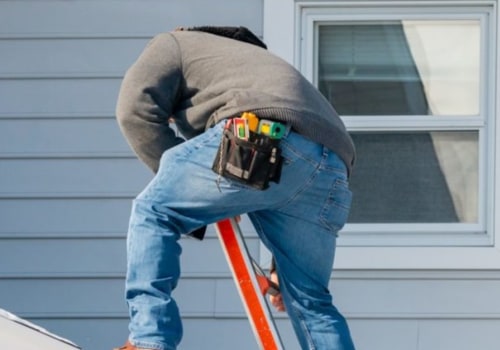
Are you in the process of buying a new home? Congratulations! It's an exciting time, but before you finalize that purchase, there's an important step you shouldn't overlook: getting a home inspection.While it may seem like an unnecessary expense, a pre-purchase home inspection can actually end up saving you thousands of dollars in the long run. Not only does it give you peace of mind about the condition of the property, but it also helps protect your investment. In this article, we'll dive into the benefits of pre-purchase home inspections and why they are crucial for buyers like yourself. Whether you're a first-time homebuyer or a seasoned pro, there's always something new to learn about the importance of home inspections. So why should you get a home inspection before buying? Let's find out. There are many reasons why getting a home inspection before buying is highly recommended. Not only does it give you peace of mind, but it also provides an unbiased and professional evaluation of the property.
A certified home inspector will thoroughly examine the house, from its structure and systems to potential safety hazards and code violations. Having a professional home inspection can save you from potential headaches and financial losses in the long run. By identifying any issues or concerns with the property, you can make an informed decision on whether to proceed with the purchase or negotiate for repairs. This is especially important for first-time home buyers who may not be familiar with what to look for in a house. During a home inspection, the inspector will check for any structural issues such as foundation problems, roof damage, or water damage. They will also inspect the electrical, plumbing, and heating/cooling systems to ensure they are in good working condition.
In addition, they will look for any potential safety hazards such as mold, asbestos, or radon gas. The inspector will also examine the overall condition of the house, including the interior and exterior. This can include checking for leaks, cracks, or other signs of wear and tear. They will also take note of any code violations or improvements that may need to be made to bring the house up to current standards. One of the biggest benefits of getting a home inspection before buying is that it allows you to negotiate for repairs or a lower price. If the inspector uncovers any major issues with the property, you can use this information to negotiate with the seller.
This can potentially save you thousands of dollars in repair costs or help you get a better deal on the purchase price. In conclusion, as you prepare to make one of the biggest investments of your life - purchasing a home - it's crucial to consider all the factors that can impact your decision. By getting a home inspection before buying, you are protecting your investment and ensuring that you are making a wise and informed decision. Don't overlook this important step in the home buying process, as it can save you from potential headaches and financial losses in the long run.
Understanding the Home Inspection Process
Before scheduling a home inspection, it's important to understand what it entails. A typical home inspection includes examining the exterior and interior of the house, as well as its plumbing, electrical, heating, and cooling systems.The inspector will also check for any signs of water damage, mold, pests, and other potential issues. Be sure to hire a certified home inspector who follows industry standards and has a good reputation in the community.
Becoming a Home Inspector
If you're interested in becoming a home inspector yourself, there are some steps you can take to pursue this career. You will need to complete training and certification programs, gain experience working with a licensed home inspector, and pass a state licensing exam. It's also important to have good communication skills, attention to detail, and knowledge of construction and building codes.Potential Issues Found During a Home Inspection
While it's important to keep an open mind when going into a home inspection, there are some common issues that are often found. These include electrical and plumbing problems, water damage, structural issues, and safety hazards.In some cases, these issues may be minor and easily fixable, while in others they may require significant repairs or even deem the property unlivable.
The Cost of a Home Inspection
The cost of a home inspection will vary depending on various factors such as the size and age of the property, location, and additional services requested. On average, a home inspection can range from $300 to $500. While this may seem like a significant expense, it is a small price to pay for the peace of mind and potential savings it can provide in the long run.Benefits of a Home Inspection
Aside from uncovering potential issues that can affect the value and safety of the property, a home inspection also provides other benefits. It can help you negotiate for repairs or a lower price with the seller.It can also give you a better understanding of the property's maintenance needs and potential future expenses. Additionally, a home inspection can provide valuable information for insurance purposes.
In conclusion,
getting a home inspection before buying is crucial for protecting your investment. It provides an unbiased evaluation of the property, helps you negotiate for repairs or a lower price, and gives you valuable information about maintenance needs and potential expenses. Additionally, it can save you from potential safety hazards and financial losses in the long run.And for those interested in becoming a home inspector, it can be a fulfilling and lucrative career path.