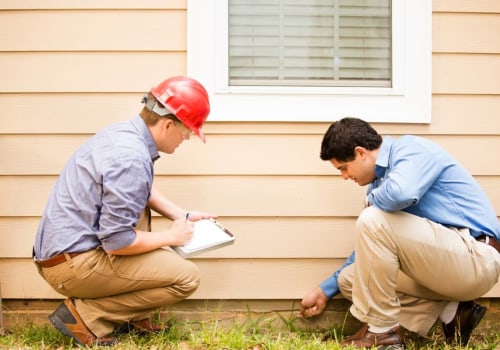
If you're in the process of selling your home, you may be wondering what steps you can take to attract more potential buyers. One tactic that can help in this regard is having a pre-sale inspection done on your property. A pre-sale inspection involves hiring a professional inspector to thoroughly examine your home and identify any potential issues that may need to be addressed before putting it on the market. This can provide buyers with peace of mind and give them confidence in the condition of the home.
In this article, we will dive into the benefits of using a pre-sale inspection as a seller, and how it can help you stand out in a competitive market. We will also discuss how this type of inspection can benefit buyers, making it a win-win situation for both parties involved. So, if you want to make your home more attractive to potential buyers and increase your chances of a successful sale, keep reading!First, let's discuss the main purpose of a pre-sale inspection. This type of inspection is typically conducted by a professional home inspector who will thoroughly examine the property to identify any potential issues or concerns.
This information can then be used by both buyers and sellers to make informed decisions. For buyers, a pre-sale inspection can provide peace of mind and help avoid any unexpected costs or problems after purchasing the property. For sellers, it can help attract potential buyers by showcasing the condition of the property and addressing any issues before putting it on the market. Now, let's take a closer look at the process of a pre-sale inspection. The inspector will examine various aspects of the property, including the exterior, interior, foundation, roofing, plumbing, electrical systems, and more.
They will also check for any potential safety hazards or code violations. The inspection typically takes a few hours to complete, depending on the size and condition of the property. When it comes to costs, a pre-sale inspection can vary depending on the location and size of the property. On average, it can range from $200 to $500. While this may seem like an additional expense, it is a worthwhile investment in the long run as it can save you from unexpected repair costs or potential legal issues. During the inspection, the inspector may uncover various issues, such as structural damage, faulty wiring, plumbing leaks, mold, or pest infestations.
These problems can be costly and time-consuming to address, but it's better to know about them before making a purchase or putting the property on the market. In some cases, sellers may choose to fix these issues before selling to avoid any problems during negotiations with potential buyers. For those interested in becoming a home inspector, a pre-sale inspection is a great opportunity to learn more about the process. You can accompany a professional inspector during an inspection and ask questions to gain knowledge and experience. You can also consider taking courses or obtaining certifications to become a licensed home inspector.
The Benefits of a Pre-Sale Inspection
A pre-sale inspection is a crucial step for both buyers and sellers in the home buying process.It involves hiring a professional inspector to thoroughly examine the property before it is put on the market. This inspection can uncover any potential issues with the property, giving sellers the opportunity to address them before listing their home and giving buyers peace of mind about their potential purchase. For buyers, a pre-sale inspection can help them make an informed decision about whether or not to proceed with the purchase of a particular property. If any major issues are uncovered during the inspection, buyers can negotiate with the seller for repairs or a lower price. For sellers, a pre-sale inspection can help attract potential buyers by showing that the property has been thoroughly examined and is in good condition. This can give buyers confidence in their potential purchase and may even result in a quicker sale. In addition to these benefits, a pre-sale inspection can also save both buyers and sellers time and money in the long run.
By identifying any issues early on, sellers can avoid potential delays or costly repairs during the selling process. And for buyers, a pre-sale inspection can prevent unexpected expenses or issues after they have already purchased the property.
The Process and Cost of a Pre-Sale Inspection
A pre-sale inspection is an essential step in the home selling process, providing potential buyers with peace of mind and giving sellers the opportunity to address any issues before listing their property. But what exactly does a pre-sale inspection entail, and how much can you expect to pay for one?The ProcessThe first step in a pre-sale inspection is to hire a licensed and experienced home inspector. They will thoroughly examine the property, including the structure, systems, and overall condition.The inspector will then provide a detailed report outlining any issues or potential problems that may need to be addressed before selling. Next, the seller can choose to either make repairs or disclose the issues to potential buyers. By addressing any issues upfront, the seller can increase the chances of attracting serious buyers and potentially avoid negotiations or delays during the closing process.
The Cost
The cost of a pre-sale inspection can vary depending on the size and location of the property, as well as the experience and qualifications of the inspector. On average, a pre-sale inspection can cost anywhere from $200 to $600. While this may seem like an added expense, it can ultimately save sellers from unexpected costs or delays during the selling process.Tips for Becoming a Home Inspector
If you are interested in becoming a licensed home inspector, there are a few steps you can take to get started.The first step is to research the requirements for becoming a licensed home inspector in your state. Each state has its own set of regulations and licensing requirements, so it's important to familiarize yourself with them before proceeding. Once you have a clear understanding of the requirements, you can begin the process of obtaining the necessary education and training. Many states require prospective home inspectors to complete a certain number of hours of education and training, as well as pass a licensing exam. There are several ways to obtain the required education and training. You can attend a home inspection training program at a community college or vocational school, or you can complete an online course.
It's important to choose a reputable program that will provide you with the knowledge and skills needed to become a successful home inspector. After completing your education and training, you will need to pass a licensing exam. This exam will test your knowledge of home inspection techniques, building codes, and other important information. Once you pass the exam, you can apply for your license and begin working as a home inspector. In addition to completing the necessary education and training, it's also important to gain hands-on experience in the field. This can be done by shadowing an experienced home inspector or working as an apprentice.
Not only will this give you practical experience, but it will also help you build relationships and network within the industry. Becoming a licensed home inspector takes time and dedication, but the rewards are well worth it. As a home inspector, you have the opportunity to help buyers make informed decisions about their potential homes and assist sellers in making necessary repairs before putting their homes on the market.
Potential Issues Uncovered During a Pre-Sale Inspection
One of the main benefits of a pre-sale inspection is that it can uncover potential issues with the home that may not have been apparent to the seller or the buyer. These issues can range from minor maintenance concerns to major structural problems, and their implications can vary depending on the severity. For example, a pre-sale inspection may reveal that the roof needs to be replaced, which could be a costly and time-consuming repair for the seller. However, if this issue is addressed before putting the house on the market, it could potentially attract more buyers who are looking for a move-in ready home. On the other hand, if a pre-sale inspection uncovers major structural issues such as foundation problems or termite damage, it could significantly impact the value of the home and potentially scare off potential buyers.In this case, the seller may need to either address the issues or adjust their asking price accordingly. Other common problems that can be found during a pre-sale inspection include plumbing and electrical issues, mold or water damage, and HVAC system malfunctions. While these may not always be deal-breakers for buyers, they can still have an impact on the overall sale of the home. By understanding the types of problems that can be found during a pre-sale inspection and their potential implications, sellers can make informed decisions about how to address any issues before putting their home on the market. In conclusion, a pre-sale inspection is essential for both buyers and sellers when it comes to buying or selling a property. It can provide peace of mind, save you from unexpected costs and legal issues, and help attract potential buyers. For those interested in becoming a home inspector, it's an excellent opportunity to learn and gain experience.
So don't overlook the importance of a pre-sale inspection and make it part of your buying or selling process.